
Learning through experience
Teenagers should be active participants rather than passive listeners.
Youth Development Workshops
Faith. Brotherhood. Discipline. Purpose.
A faith-informed experience integrating Islamic values, teachings, and examples with the same developmental foundations.
Registration not yet open — join the waitlist
Overview
An interactive, psychology-informed and Islamic faith-based personal development program for teenage Muslim boys.
Growing up comes with important questions: Who am I? Where do I belong? What does faith mean to me? What does it mean to become a good Muslim man? How do I develop discipline, character, and purpose?
Built Different: Muslim Edition combines interactive group activities, practical psychological skills, Islamic teachings, and meaningful discussions to help young Muslim men explore these questions.
Four sessions
Four interactive sessions, about two hours each. Open a session to see its topics, activities and intended outcomes.
Islam teaches the importance of community, compassion, mutual support, and brotherhood.
Yet young Muslims may still experience loneliness, social pressure, exclusion, or uncertainty about where they belong.
This session creates space for participants to explore what brotherhood means beyond simply sharing a religious identity.
Participants discuss how meaningful relationships are built through trust, kindness, empathy, loyalty, respect, and showing up for others.
The session encourages young Muslims to see themselves as valued members of a wider community while also developing practical skills for building genuine friendships.
The believers are but one brotherhood, so make peace between your brothers.Brotherhood among believers, and making peace between them.
…so that you may get to know one another. Surely the most noble of you in the sight of Allah is the most righteous among you.Getting to know one another; nobility comes through righteousness.
Participants will have opportunities to:
Being Muslim is part of identity, but what does that mean personally?
This session invites participants to explore important questions about faith, identity, meaning, and purpose.
The workshop creates space for thoughtful discussion rather than assuming every participant has the same level of religious understanding or certainty.
Participants reflect on their relationship with Allah, their values, their aspirations, and the kind of lives they hope to build.
The session connects Islamic concepts such as intention, accountability, and purposeful living with practical psychological exercises focused on values and goal setting.
Participants are never pressured to disclose private religious doubts or personal struggles.
I did not create jinn and humans except to worship Me.Purpose.
…to test which of you is best in deeds.Purposeful living.
Participants will have opportunities to:
What does Islam teach about strength, courage, responsibility, compassion, and manhood?
This session explores the character of Prophet Muhammad ﷺ and examples from the Sahaba to help participants reflect on what it means to become a man of integrity.
The workshop challenges the idea that masculinity requires emotional suppression, harshness, dominance, or the absence of vulnerability.
Instead, participants examine examples of compassion, humility, generosity, patience, emotional honesty, responsibility, and self-control.
The emphasis is on understanding how character is expressed through everyday actions.
Examples from the life of Prophet Muhammad ﷺ:
…the eyes are shedding tears and the heart is grieved…He wept at the death of his son Ibrahim and called it mercy. He expressed grief and sadness.
Whoever is not merciful to others will not be treated mercifully.He kissed his grandson al-Hasan. He showed tenderness and affection toward children.
The strong is… the one who controls himself while in anger.He encouraged restraint when angry.
You have been sent to make things easy.When a Bedouin urinated in the mosque, he told the people to leave him and pour water over it. He responded with gentleness.
Lessons associated with the Sahaba:
Participants will have opportunities to:
Some of the most important challenges we face happen within ourselves.
Anger, procrastination, temptation, unhealthy habits, impulsive reactions, and competing desires can make it difficult to live according to our values.
This session explores the Islamic concept of jihad al-nafs: striving to manage one’s impulses, strengthen character, and make choices consistent with one’s faith and values.
Participants learn that personal growth is not about never making mistakes. It involves awareness, sincere effort, accountability, repentance, self-compassion, and the willingness to keep improving.
The session integrates Islamic reflection with practical psychological skills for emotional regulation and behaviour change.
In Islamic tradition the word jihad has a broader meaning than internal struggle alone. This session focuses on one part of it: jihad al-nafs, striving with oneself.
…the soul is ever inclined to evil, except those shown mercy by my Lord.The soul that inclines toward wrongdoing. Later scholars call this nafs al-ammarah; the verse itself does not name stages.
And I do swear by the self-reproaching soul!An oath by the self-reproaching soul, which scholars call nafs al-lawwamah.
O tranquil soul! Return to your Lord, well pleased and well pleasing…The tranquil soul, nafs al-mutma’innah, addressed on the Day of Judgment as a final state.
Do not lose hope in Allah’s mercy, for Allah certainly forgives all sins.Hope and repentance; the next verse calls people to turn back to Allah.
Participants will have opportunities to:
Quran translations: Dr. Mustafa Khattab, The Clear Quran (quran.com). Hadith references: sunnah.com.
Learning approach
Built Different is not a traditional classroom lecture.
It is designed as an active, engaging, supportive environment where participants learn through conversation, collaboration, games, challenges, role-playing, personal reflection, and practical exercises.
The goal is not to tell teenagers exactly who they should become. It is to help them develop the awareness, skills, values, and confidence to make thoughtful choices about the people they want to be.
The program does not promote rigid stereotypes about masculinity. It presents strength as something that can include kindness, emotional honesty, self-control, accountability, courage, and seeking support when needed.
Teenagers should be active participants rather than passive listeners.
Meaningful relationships and a supportive group environment create opportunities for learning.
The program encourages progress, reflection, and accountability rather than shame or unrealistic expectations.
Confidence, compassion, emotional expression, and responsibility are compatible qualities.
Every session should provide ideas or skills participants can apply outside the workshop.
Participants come from different backgrounds and have different personalities, beliefs, and experiences.
Participants should never be pressured to reveal private experiences, religious doubts, trauma, or personal family difficulties.
Activities and discussions must be suitable for the developmental stage of the group.
Format and pricing
Registration not yet open — join the waitlist
Approximately two hours. Available when individual-session registration is enabled.
before any applicable taxesFour sessions. Eight total hours of programming.
before any applicable taxesWaitlist Free. Joining the waitlist does not guarantee a place or create a payment obligation.
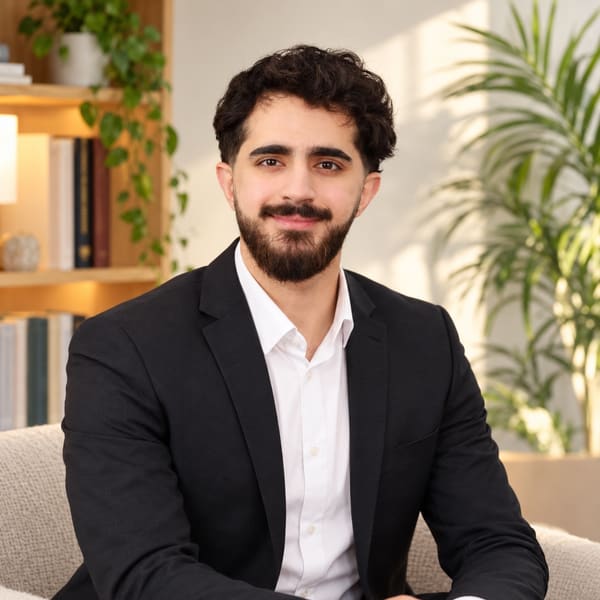
Facilitator
Built Different is developed and facilitated by Khaled Albanna, a Registered Psychotherapist (Qualifying) in Ontario with academic training in psychology and counselling.
His approach combines psychological education, practical skills, meaningful conversation, and experiential learning.
The workshops are designed to encourage young people to explore their identities, reflect on their values, develop emotional awareness, and strengthen their relationships.
His facilitation style emphasizes empathy, curiosity, respect, active participation, and a supportive environment where young people can learn without feeling judged.
The Muslim Edition additionally integrates Islamic values and faith-informed reflection.
I’m Khaled Albanna, a Registered Psychotherapist (Qualifying). I work with people navigating anxiety, emotional overwhelm, self-doubt, and the uncertainty that can come with change. My aim is to offer a space where you feel understood, respected, and able to be yourself.
My clinical background includes community-based practicum experience with Camino Wellbeing and Muslim Social Services Waterloo Region, as well as counselling experience at Serene Heart Counselling and Psychotherapy. My experience includes supporting people facing addiction and emotional difficulties, and working with refugees and newcomers as they navigate adjustment, stress, identity, and belonging.
Having lived across cultures, I value the experiences and identities that shape each person’s story. I offer counselling in English, Arabic, and Spanish, and welcome conversations about spirituality, faith, meaning, and values when these are important to you.
My style is warm, collaborative, and grounded in listening. Together, we can explore what’s happening, make room for difficult feelings, and develop practical ways to move toward the life you want.
A FEW THINGS YOU MAY BE WONDERING
Built Different is an interactive, psychology-informed personal development workshop for teenage boys focused on confidence, identity, relationships, character, emotional awareness, and purpose.
The Core Edition is nonreligious and open to teens from all backgrounds. The Muslim Edition integrates Islamic values, teachings, and examples with the program’s developmental themes.
The program is designed for ages 14–19, with participants grouped by age and developmental stage.
Four sessions, approximately two hours each.
$50 CAD per session or $200 CAD for the complete four-session program, before any applicable taxes.
No. Built Different is a psychoeducational youth development workshop, not individual or group psychotherapy.
No. The workshop is intended for personal development and skill-building, not only for teens experiencing challenges.
No extensive prior knowledge is required. The program welcomes participants with different levels of familiarity and religious practice.
Yes. Parents or guardians can register minors through the appropriate registration process.
Locations will be announced when cohorts are scheduled.
Individual-session registration may be available depending on the cohort. Some groups may require full-program enrolment.
Yes. The waitlist is free and does not guarantee a reserved place.
Yes. Organizations can submit an inquiry to discuss group workshops and customized delivery.
Built Different: Muslim Edition
For schools and organizations
Built Different can be delivered in partnership with schools, community centres, mosques, Islamic schools, and youth organizations.
Whether you’re looking for a complete four-session series or a focused workshop on confidence, identity, character, emotional resilience, or purpose, the program can be adapted to the needs of your group.
Organization pricing is quoted separately.
Request a Group WorkshopBuilt Different: Muslim Edition is a faith-informed psychoeducational youth development program, not psychotherapy or a substitute for individual mental health treatment.